
The design decisions we made in order, and why each one was deliberate
Once the "Diaspora Bridge" concept settled, our next decision was that we wouldn't build "a dating app with an extra feature," but a complete system from scratch that respects three core values: your privacy, your time, and your seriousness. Every feature we added afterward had to serve at least one of these three values.
We decided from the start that every photo and profile would go through manual review by our team before publishing — even if that meant a longer wait time for the user. There was an easier option: AI-only automated review. But we decided that members' trust in each other was worth a real human eye, especially since our platform deals with a decision as significant as marriage.
Many dating apps rely on "infinite scroll" as their core interaction model — every swipe brings up a new profile. We decided to go completely against this trend: instead of random browsing, we let the user specify their preferences precisely first (age, religion, sect, commitment level, Diaspora Bridge), and only then show them profiles that are actually compatible, ranked by a clear compatibility score. The goal: your time goes into meaningful conversations, not endless scrolling.
We noticed that a lot of sensitive information (like financial status and housing) shouldn't be available from the first moment of matchmaking — it should be revealed gradually as trust builds between two people. From this came the decision to protect this information behind an additional privacy layer, only revealed after both parties build a real connection. We applied the same principle to viewing photos and videos in chat.
Many compatibility algorithms on other platforms operate as a black box — they give you a compatibility number without you understanding why. We decided to go against this too: our compatibility score is built on clear, disclosed criteria (religion, sect, commitment, age, location, Diaspora Bridge), so you can trust the result instead of doubting it.
None of these decisions were the easiest or fastest to implement — there was always a simpler, quicker path. But we chose the harder path because it serves the real goal: helping you find a real life partner, not just growing the number of users.
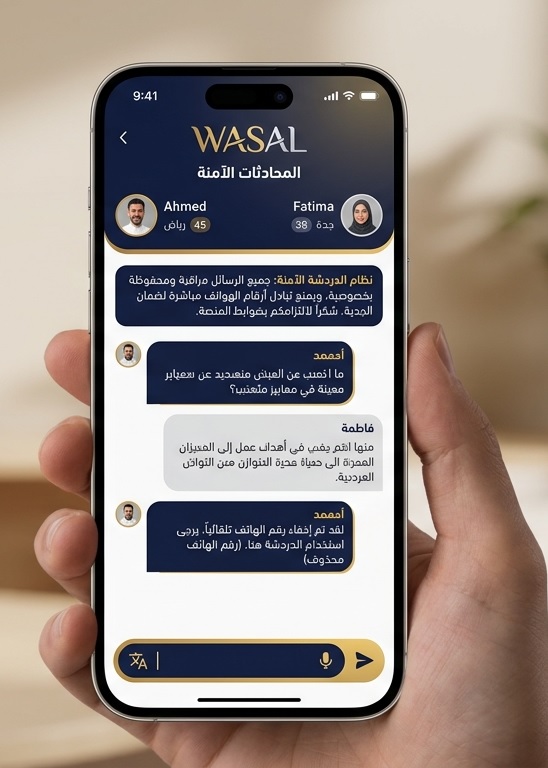
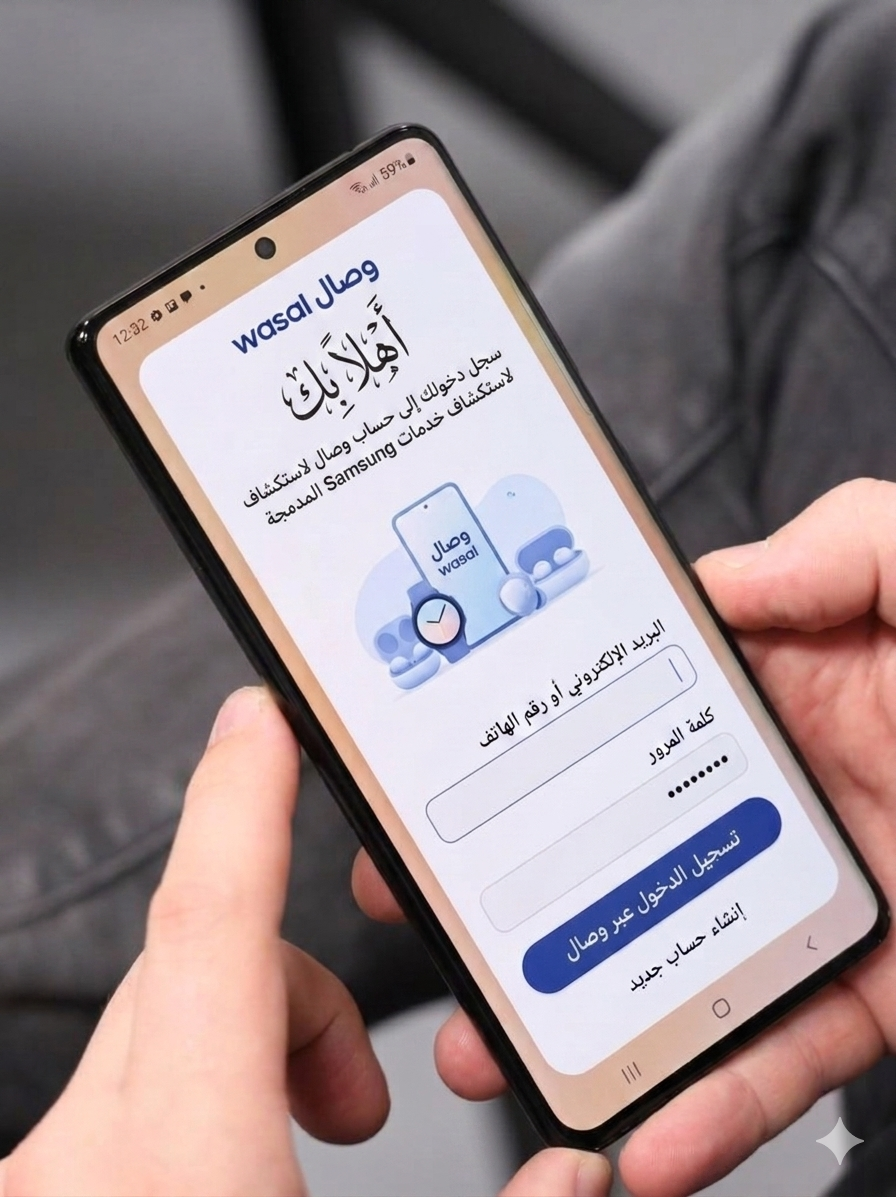
To help you look for your other half in a serious, easy way, with high privacy and safety.